
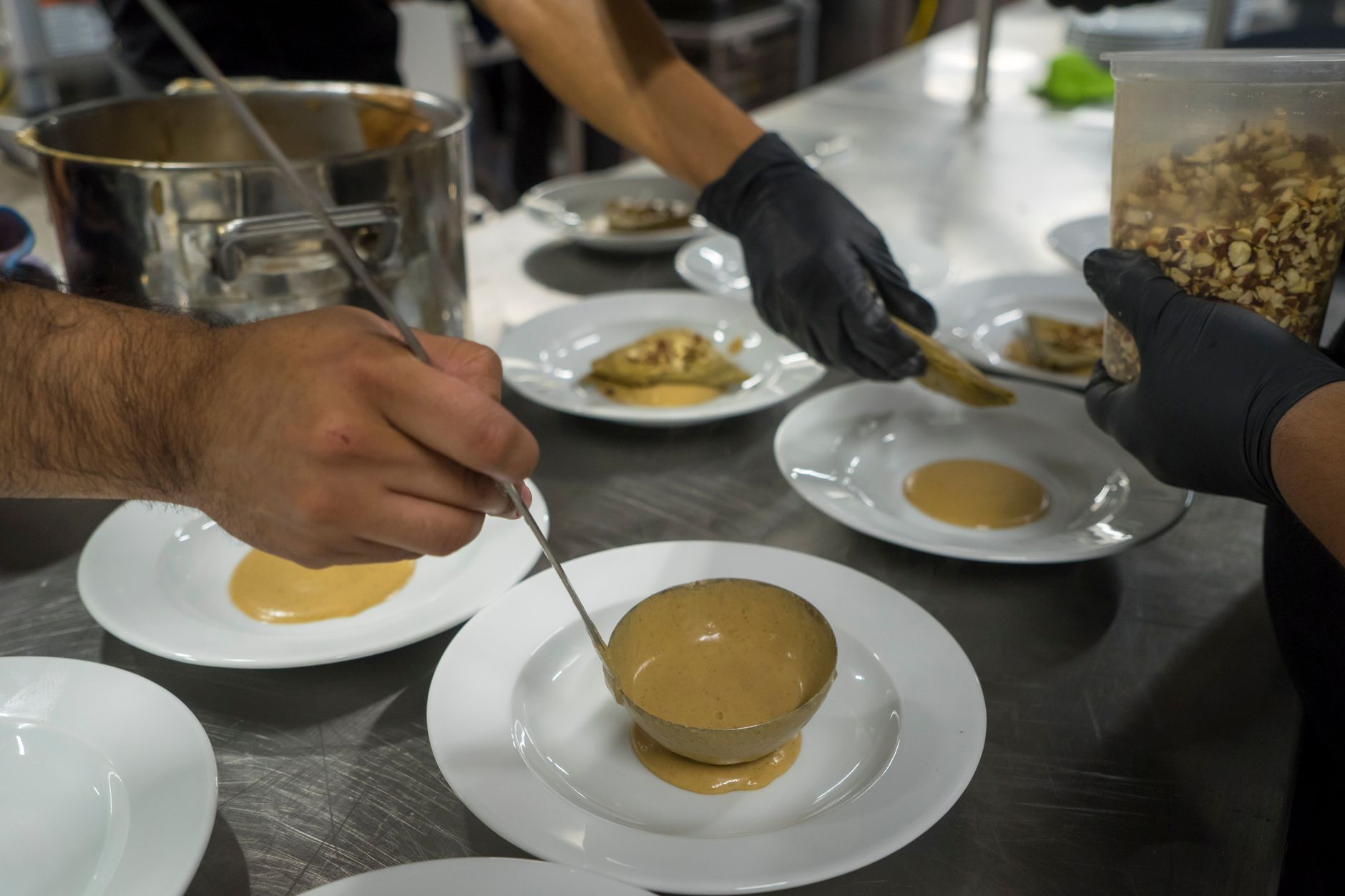
Consistent quality does not simply mean “tasty food”. It means your customer gets the same good result every time: the same flavour, the right quantity, the right temperature, clean presentation and a predictable time. This builds trust and reduces complaints, returns and stress in the kitchen. To achieve it, you need simple procedures that are applied daily, not general instructions that stay on paper. Below you will find practical steps to organise your kitchen, supplies, training and checks, so that every dish comes out as consistently as possible.
1. Set clear standards for every dish
Quality starts before the hob or oven is switched on: it starts with exactly what you consider to be the “right dish”. If every cook has a different picture in their mind, the result will change from shift to shift. Create a simple recipe file for every dish, with specific instructions.
- Grams and quantities: Do not write “a little sauce” or “plenty of cheese”. Write a specific quantity, where possible.
- Times and temperatures: Record cooking, resting, frying or reheating times.
- Plating: Add a reference photo for how it should look when it goes out.
- Acceptable substitutions: If an ingredient is missing, define what is allowed and what is not.
Keep the recipes somewhere the team can see easily. It does not need to be a complicated system; even an organised folder in the kitchen can make a big difference.
2. Organise prep before the pressure of service
Many quality mistakes happen because the kitchen starts the shift unprepared. When chopped vegetables, sauces, garnishes or correctly portioned ingredients are missing, the team starts improvising. That is where consistency, time and calm are lost.
Create a daily prep list by station. For example:
- Cold kitchen: washing and cutting salad ingredients, preparing dressings, portions of cheeses or cured meats.
- Hot kitchen: sauces, stocks, marinades, part-cooked preparations where your process allows it.
- Delivery or takeaway: checking packaging, labels, bags and accompaniments.
Also set minimum stock levels for the shift. If, for example, the sauce drops below a certain point, someone must top it up before it runs out. This helps you avoid makeshift solutions during peak times.
3. Choose suppliers based on consistency, not only price
The quality of your raw ingredients directly affects the final dish. If the tomatoes, meat, cheese or oil constantly change in quality, size or flavour, the result on the plate will change too. A good price matters, but consistency is just as critical.
Set simple criteria for every key ingredient:
- Appearance: colour, size, freshness, cleanliness.
- Flavour and aroma: especially for ingredients that stand out on the plate.
- Consistency: the same quality across most deliveries.
- Delivery time: ingredients should arrive when you need them, not when the pressure has already started.
Keep in regular contact with your suppliers. If something is not as agreed, let them know immediately and make a note of it. This prevents small problems building up and eventually showing on the customer’s plate.
4. Check deliveries with a specific process
Receiving deliveries is not a routine chore. It is your restaurant’s first quality filter. If poor raw ingredients enter the kitchen, the team will then try to “save” something that started off wrong. That is why you need a simple check every time you receive a delivery.
Create a receiving checklist with 5 key points:
- Correct product: is it what you ordered, or has there been a substitution?
- Quantity: does it match the kitchen order?
- Condition: is there damage, spoilage, a bad smell or broken packaging?
- Dates: are they acceptable for the use you want?
- Immediate storage: is it quickly put in the right place, without being left exposed?
Define who is responsible for receiving deliveries on each shift. If everyone is “a little responsible”, in practice no one is truly responsible.
5. Train the team in a practical way
It is not enough to tell a cook or waiter “this is how we do it here”. You need to show them, have them do it in front of you and give specific correction. Training must be continuous, especially when the menu changes, new people join or repeated mistakes appear.
Use short practical training sessions during the week:
- Show the correct result: prepare a reference dish and explain why it is right.
- Work on one topic at a time: salad presentation today, burger cooking tomorrow, delivery packaging the day after.
- Give immediate feedback: not general comments, but specific ones: “the portion is larger”, “the sauce went in too early”, “the garnish is missing”.
- Record frequent mistakes: if something is repeated, the process is probably not clear enough.
Consistent quality is a team effort. The better the team understands the “why”, the more easily they follow the “how”.
6. Keep delivery and takeaway consistent
A dish can leave the kitchen perfectly and reach the customer in average condition if you do not have the right process for delivery or takeaway. Quality outside the premises needs separate attention: packaging, time, temperature and correct order entry.
Test every dish as the customer receives it. Put it in the packaging, leave it for the usual transport time and check what happens. Does it go soggy? Lose texture? Does the sauce leak? Do the ingredients get mixed up? Based on this, you adjust the recipe or packaging.
Also make sure orders reach the kitchen clearly, with the right choices and extras. An organised online ordering system for restaurants can help customers choose more clearly and help the team see exactly what they need to prepare, without unnecessary phone calls and misunderstandings.
7. Make regular checks before the dish leaves
The final check before the dish leaves is your safety net. It does not need to slow down the flow, as long as it is quick and specific. Ideally, someone at the pass or the shift manager checks the basics before the order is served or packed.
Use a simple five-point rule:
- Correct dish: does it match the order?
- Correct quantity: is the portion as it should be?
- Correct appearance: clean plate or clean packaging, with no mess?
- Correct accompaniments: bread, sauces, cutlery or extras where needed?
- Correct temperature: has it avoided being left exposed before it goes out?
If you often find mistakes in the same place, do not simply blame the person. Look for whether an instruction, time, tool or proper prep is missing.
8. Gather feedback and improve consistently
Quality does not stay consistent by itself. It needs monitoring and small corrections. Listen to customers, but also listen to your team. Customers see the final result, while staff see every day where the process gets stuck.
Set up a simple improvement routine:
- Note complaints: not only what the customer said, but also which dish, what time and which shift.
- Hold short meetings: 10 minutes before or after a shift is enough to solve practical issues.
- Taste dishes periodically: taste like a customer, not like an owner who knows everything.
- Change only one thing at a time: this helps you understand what improved or worsened the result.
Consistent quality is the result of a system. When you have clear recipes, the right supplies, a trained team and daily checks, every dish has a much better chance of coming out the way you want it.